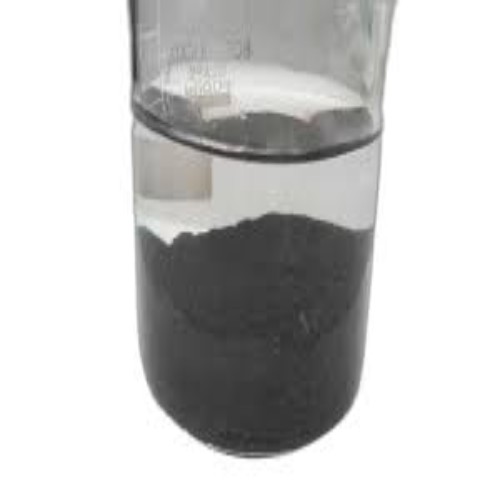
Active Alloy Nickel Catalyst With Water About
- Activated and ready to use.
- Large surface skeleton structure to impart high activity.
- Replacement of precious metal catalysts.
- Accelerated settling properties resulting in improved filtration from product due to high density.
- Versatile use in wide range of reactions.
- Resistance to poisoning and sintering.
Superior Catalytic PerformanceActive Alloy Nickel Catalyst with Water offers remarkable efficacy in hydrogenation processes due to its large active surface area. The finely divided particles ensure rapid and consistent reaction rates, optimizing productivity in various chemical synthesis and industrial applications.
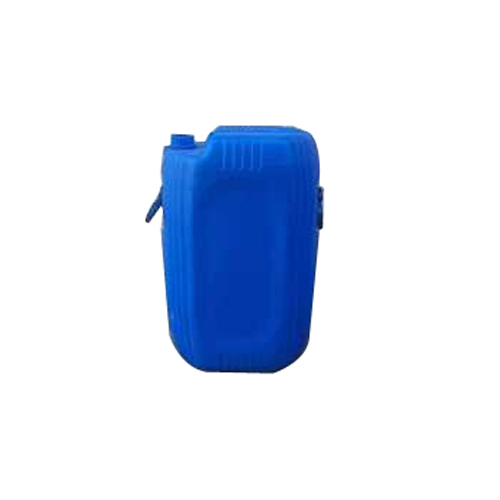
Safe Handling and Storage RecommendationsTo maintain activity and ensure user safety, the catalyst should always be stored submerged in water, away from air and oxidizers. Sealed containers or drums provide protection from accidental drying, which can present fire hazards due to the compound's pyrophoric nature.
Broad Industrial ApplicationThis catalyst is popular in hydrogenation, organic synthesis, pharmaceutical manufacturing, and the petrochemical sector. Its adaptability and reliability have made it a staple for producing intermediates, fine chemicals, and important end products across diverse markets.
FAQ's of Active Alloy Nickel Catalyst With Water:
Q: How should Active Alloy Nickel Catalyst with Water be stored for optimal safety?
A: Store the catalyst fully submerged in water, sealed in airtight containers or drums. Keep it away from air and oxidizing agents to prevent drying and potential spontaneous ignition.
Q: What is the main advantage of using this catalyst in hydrogenation reactions?
A: Its large surface area imparts high catalytic activity, leading to rapid and efficient hydrogenation of a broad range of organic and inorganic compounds.
Q: When is it recommended to use this catalyst after procurement?
A: For best results, use the catalyst within 12-24 months of delivery, provided it is stored properly under water and away from contaminants.
Q: Where is this catalyst commonly applied?
A: It is widely used in the chemical and petrochemical industries, as well as in pharmaceutical manufacturing for hydrogenation and related industrial reactions.
Q: What steps are involved in handling the catalyst safely during use?
A: Always keep the catalyst moist and under water during transfer and process preparation. Avoid exposing it to air, and handle with appropriate safety gear to prevent accidental ignition.
Q: What are the benefits of using the wetcake form of nickel catalyst?
A: The wetcake form ensures safer handling, easy measurement, and consistent activation, all while reducing the risk of pyrophoric incidents that can occur with dry catalysts.







 Send Inquiry


 Send Inquiry
